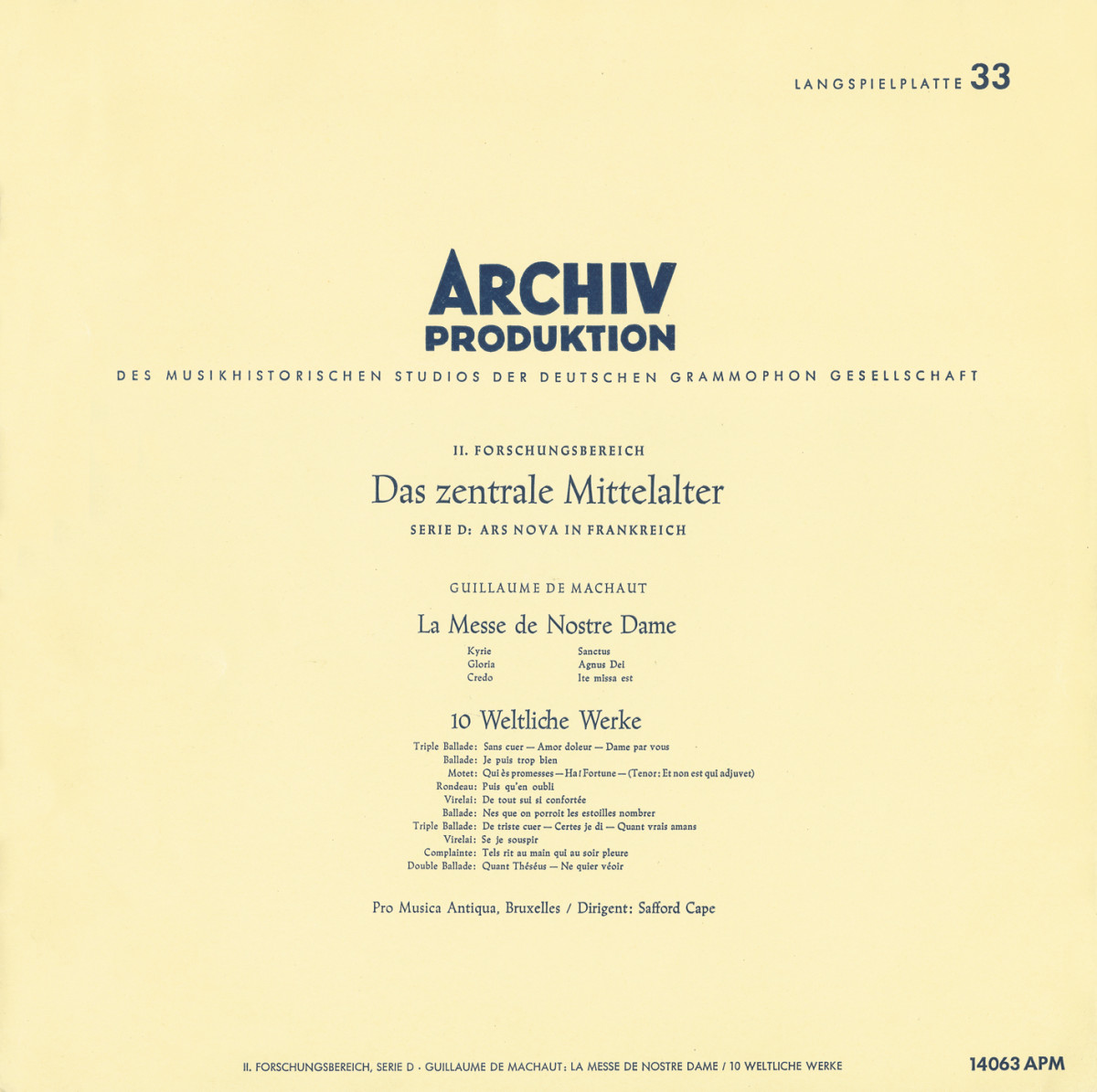
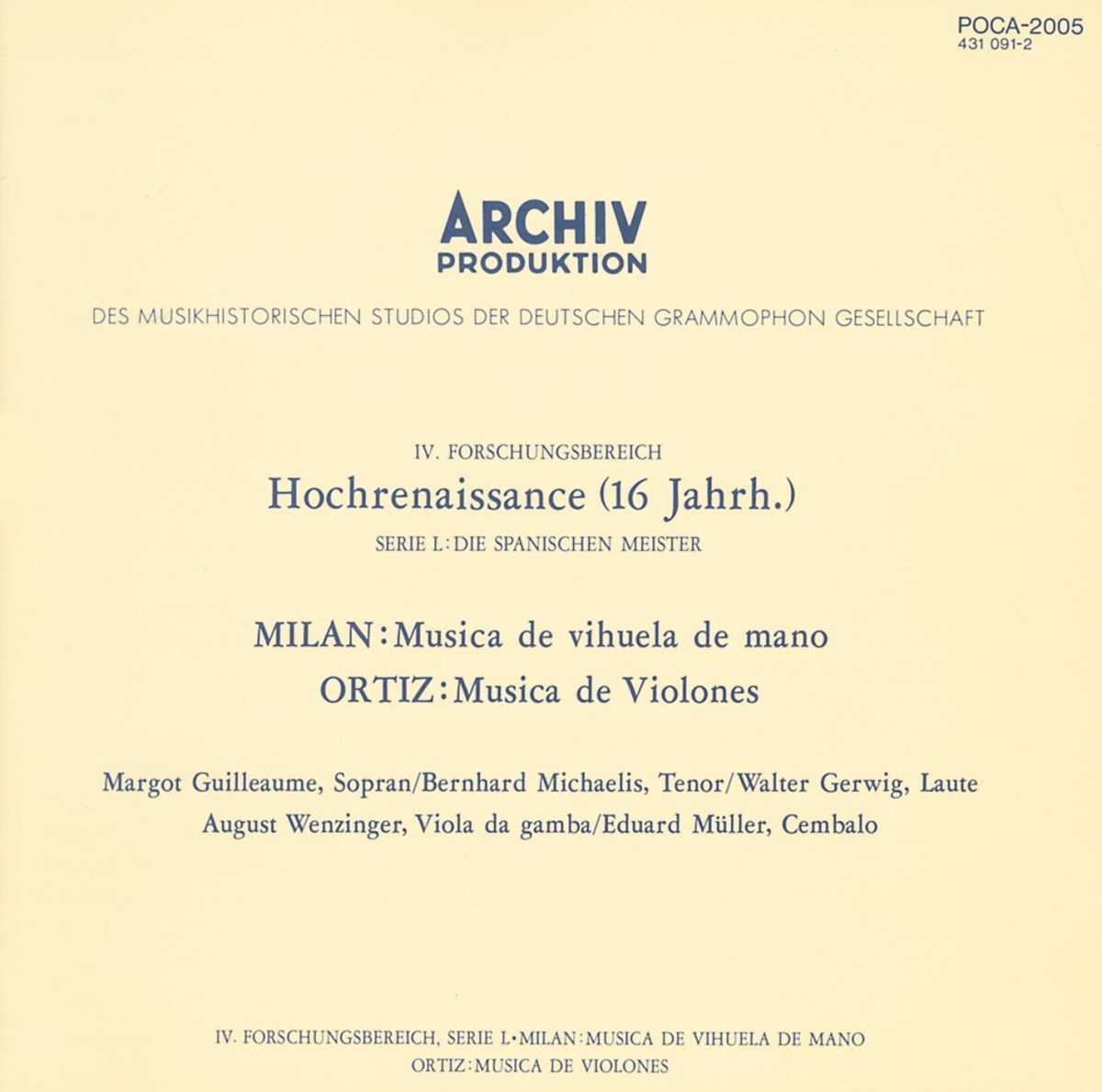
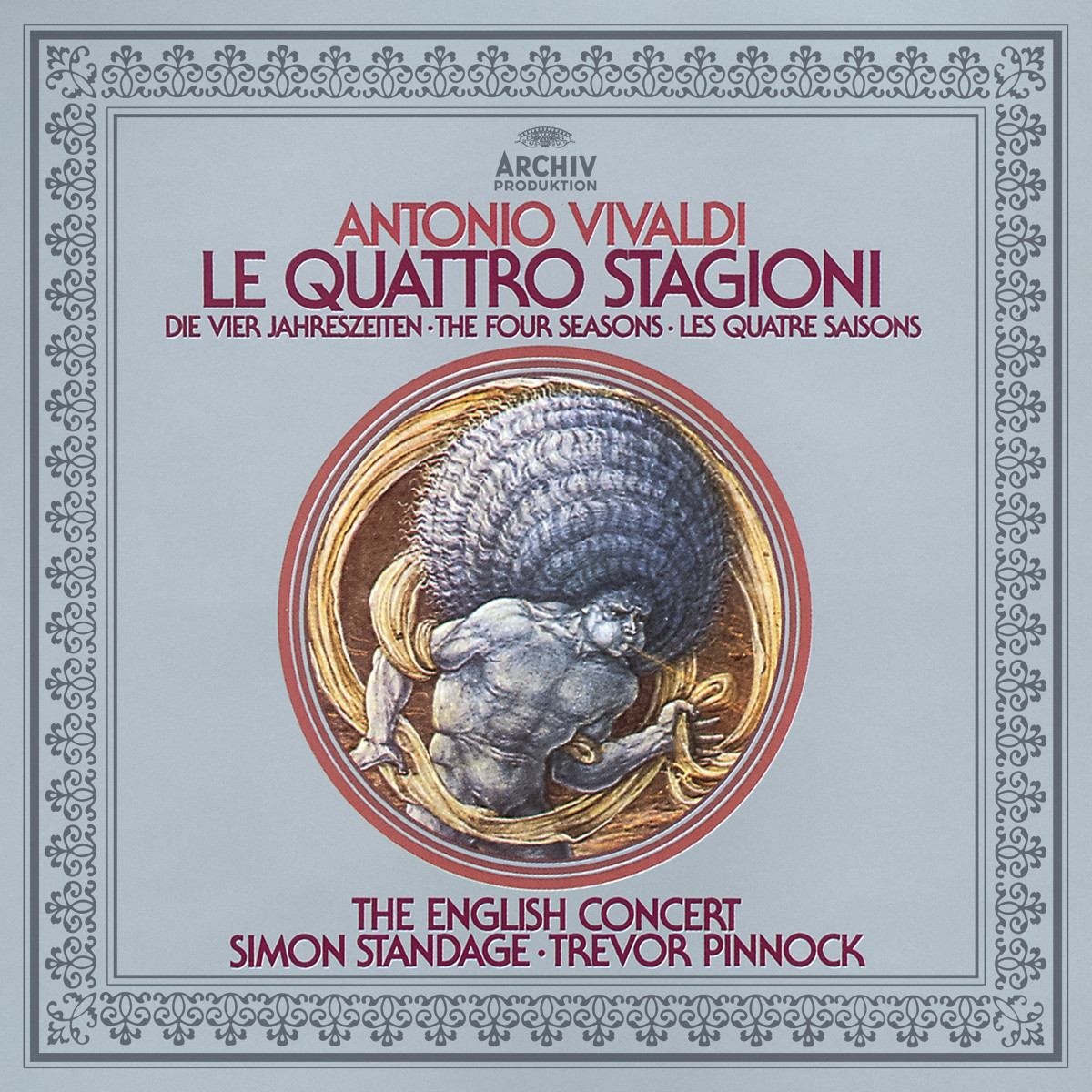
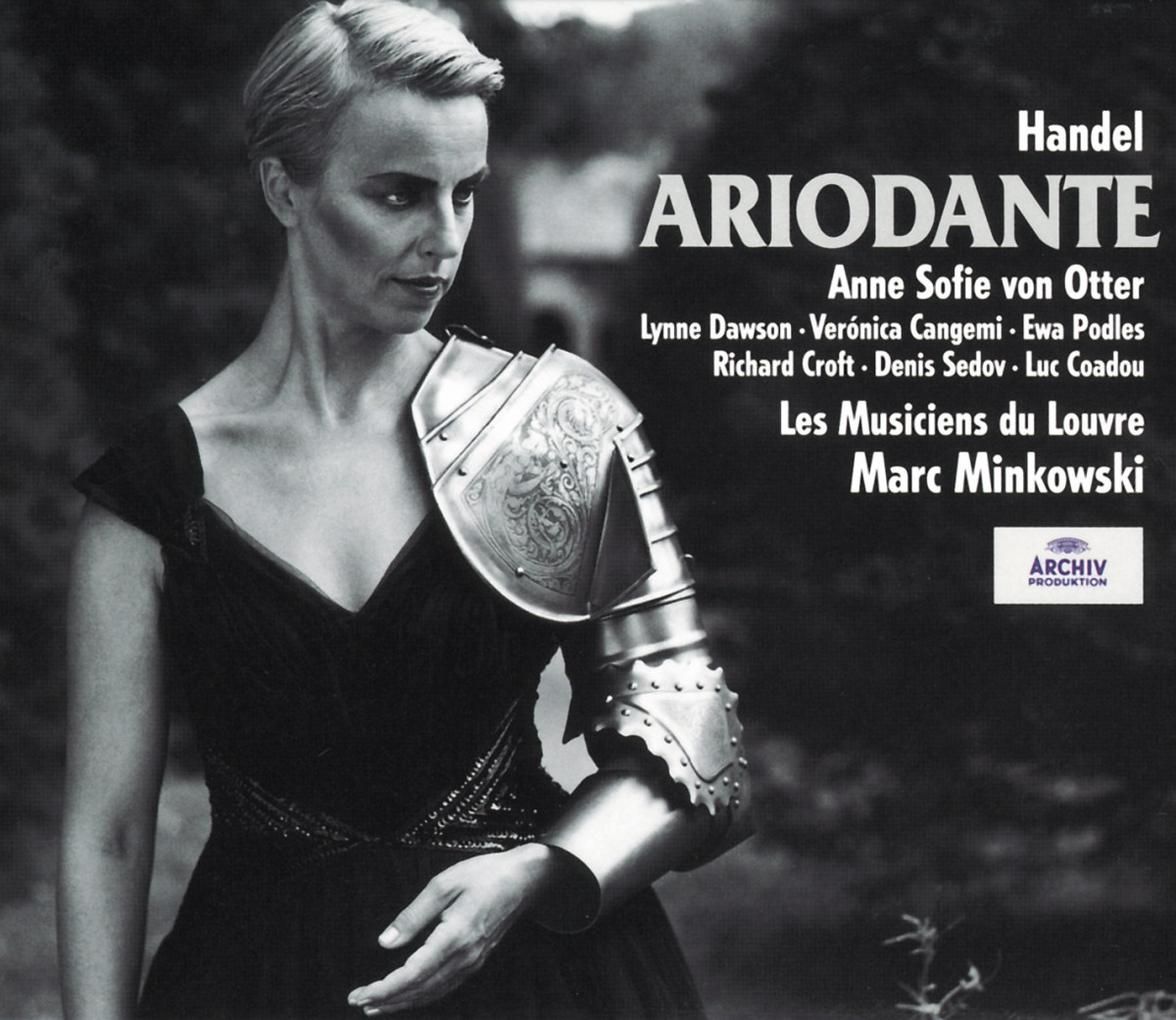
DG subsidiary Archiv Produktion had been established in 1949 with the aim of releasing Early Music recordings made in accordance with the most recent research. It created various series of recordings grouped by research area, offering authoritative performances of what were often forgotten works. The pared-back typographical design used for the early covers resembled that of musicological publications and radiated authority and gravitas.
Later covers showed more variation, but retained that sense of emphasis on recording quality and original repertoire:
Given the plethora of recordings made for Archiv Produktion since 1949, it wasn’t hard to compile an impressive compilation of Baroque music from Monteverdi to Bach. When it came to a design for the top and sides of the cube-shaped box set (the base was image-free), the decision was made to go for a completely fresh approach.
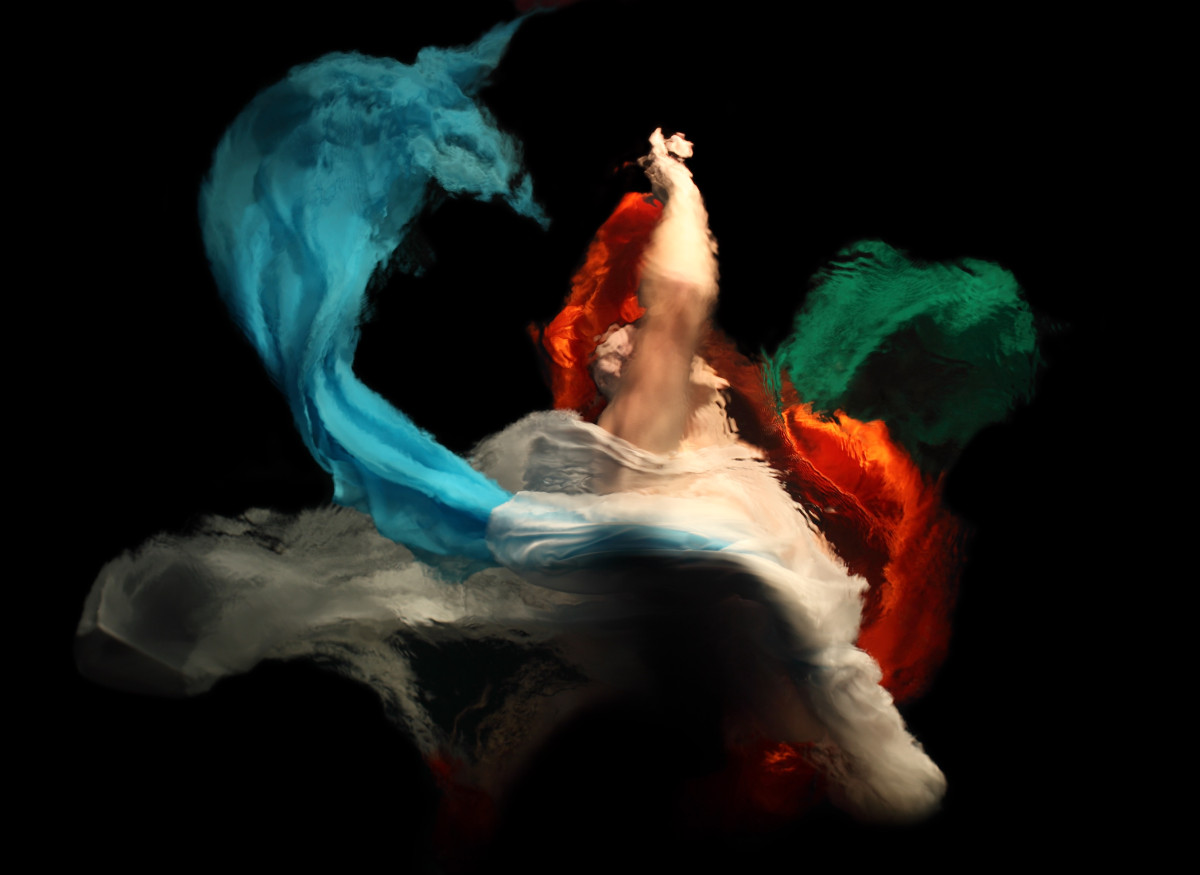
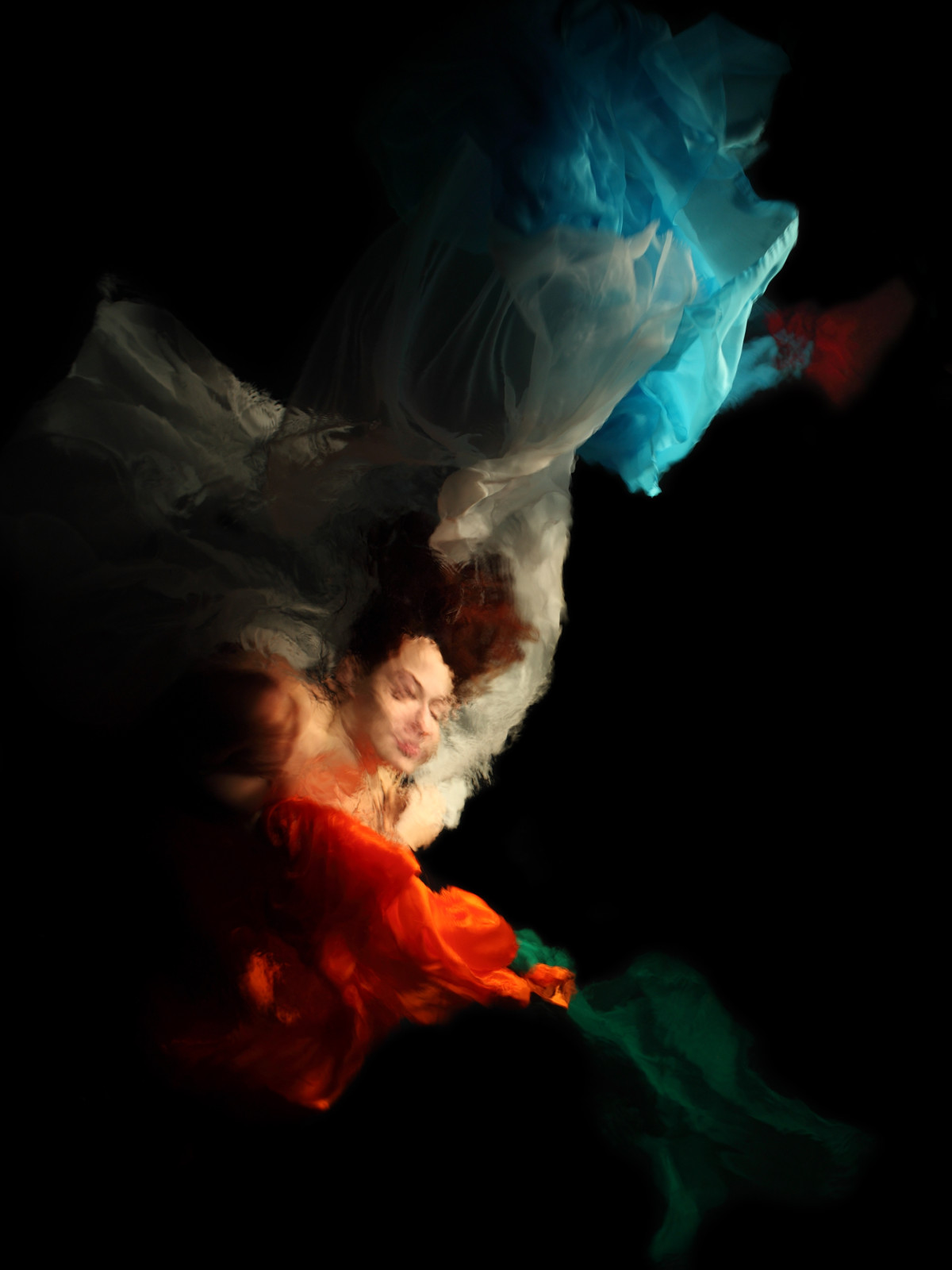
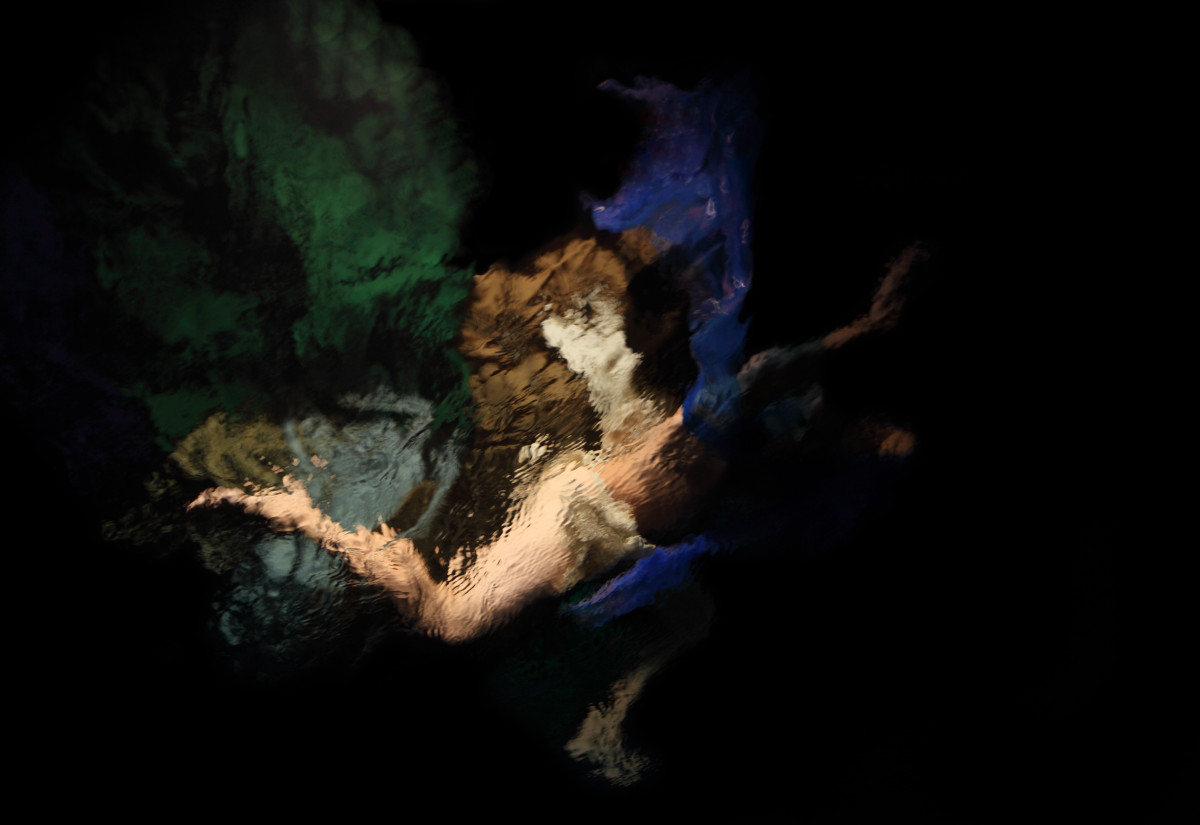
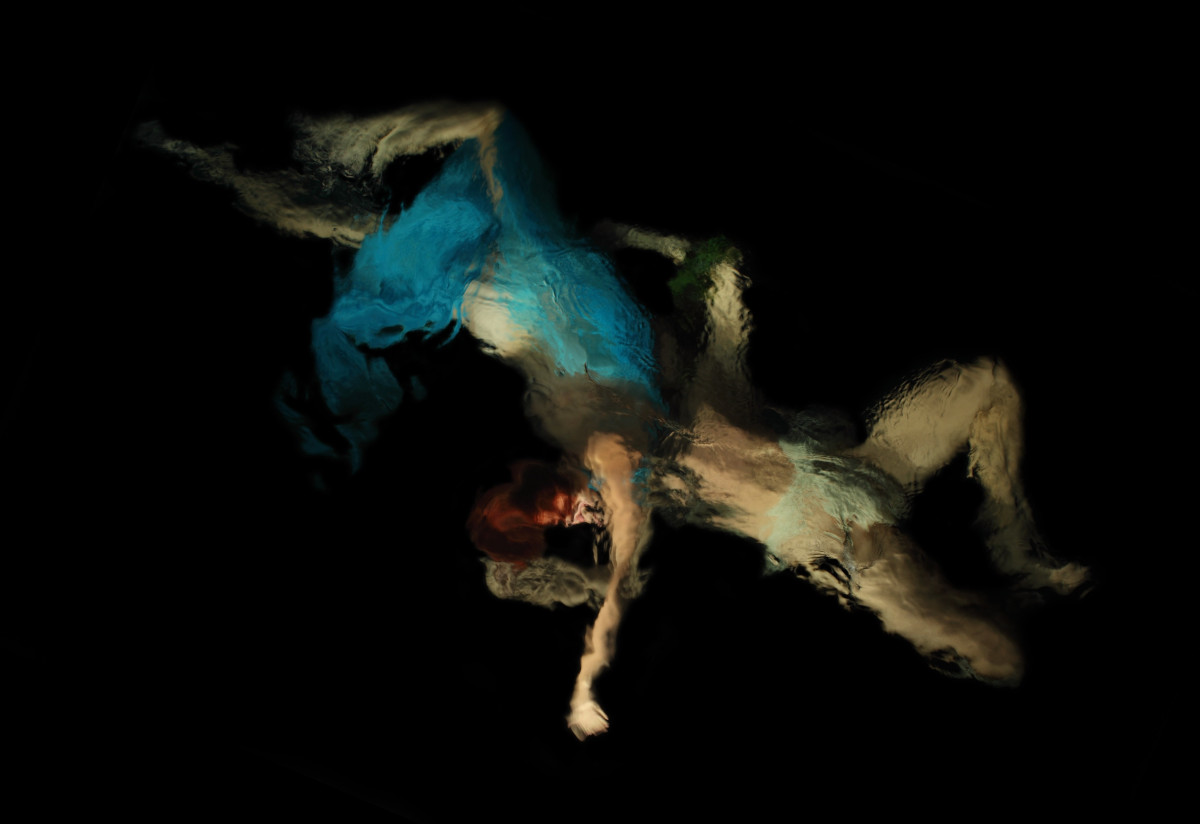
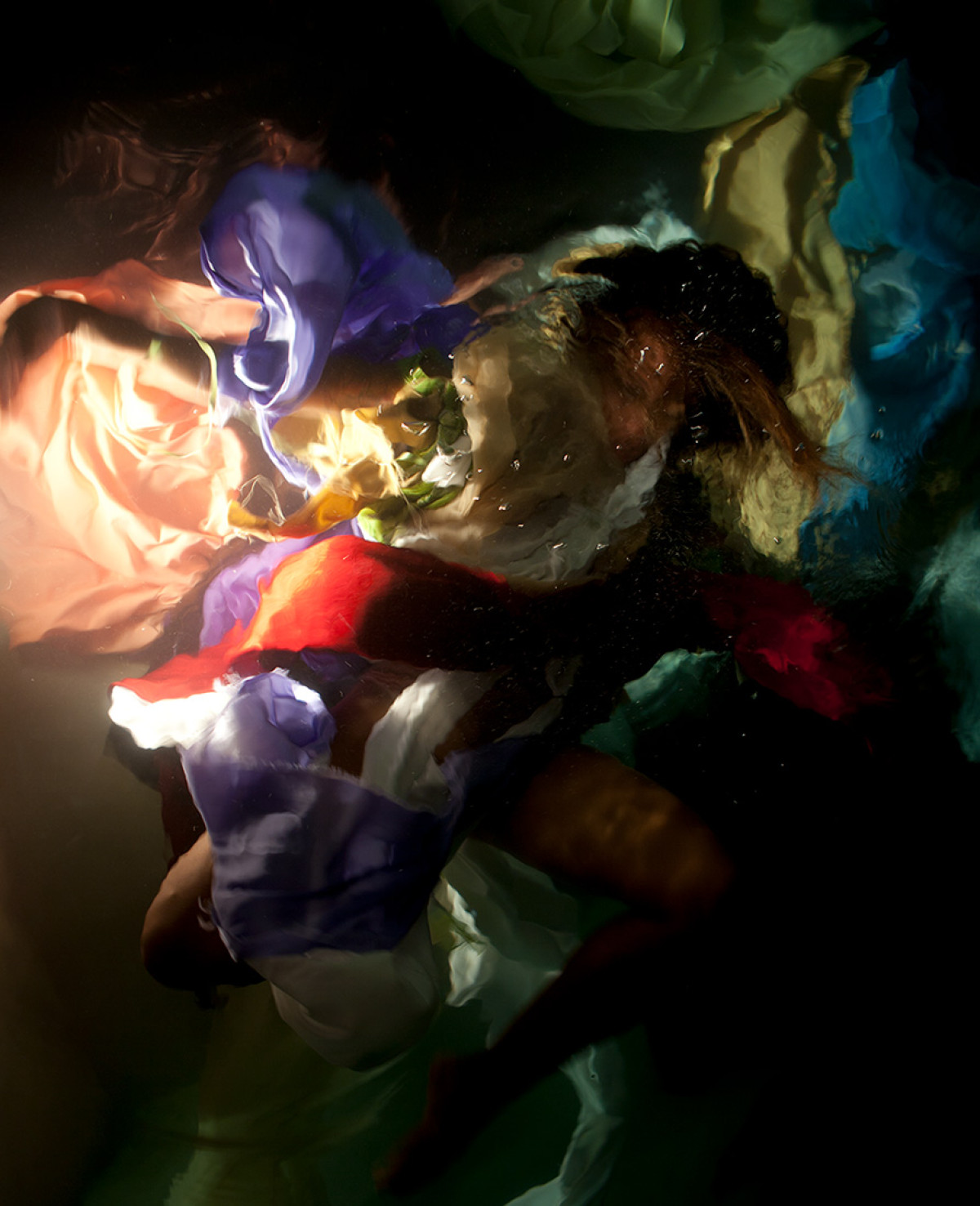
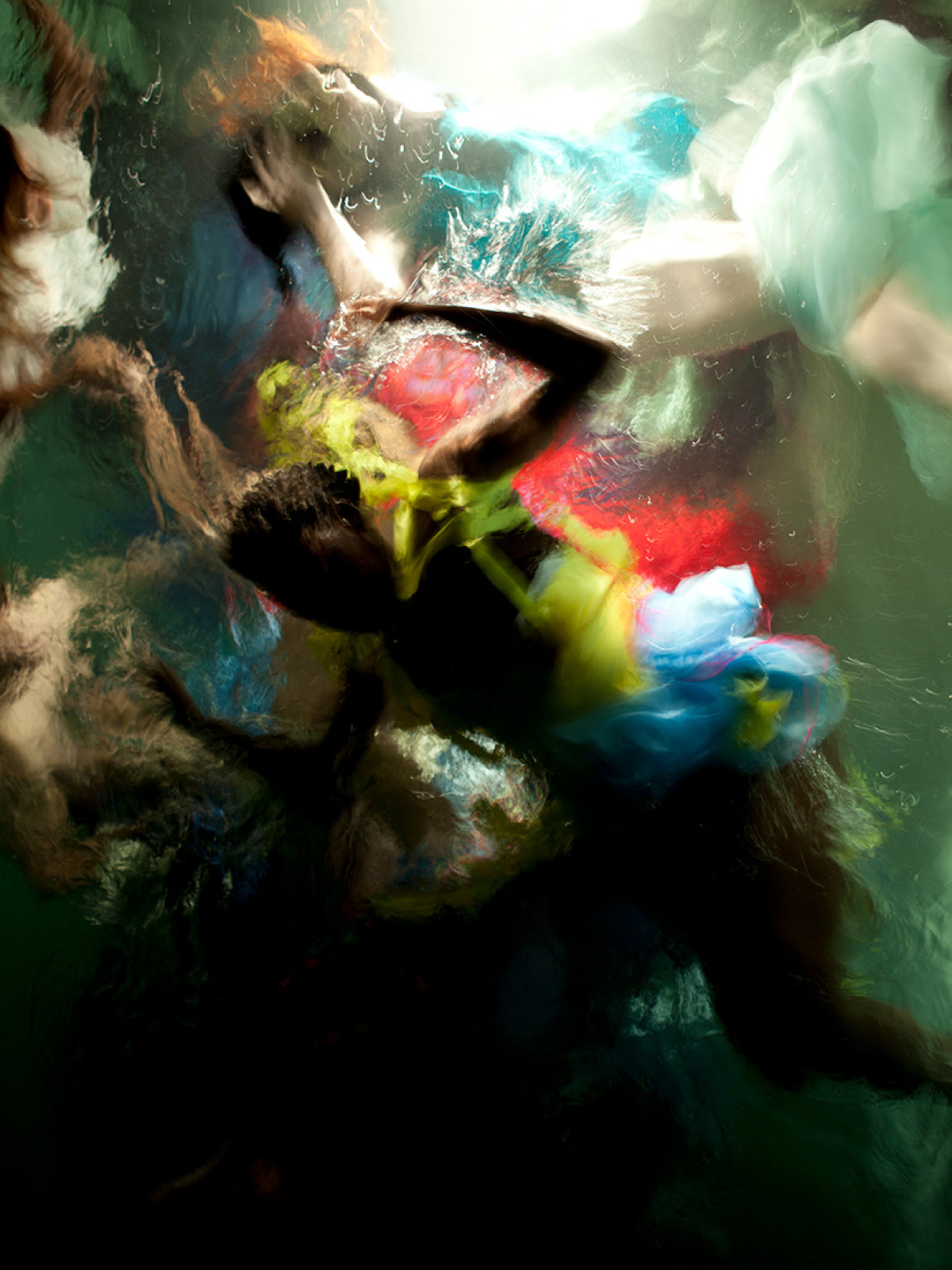
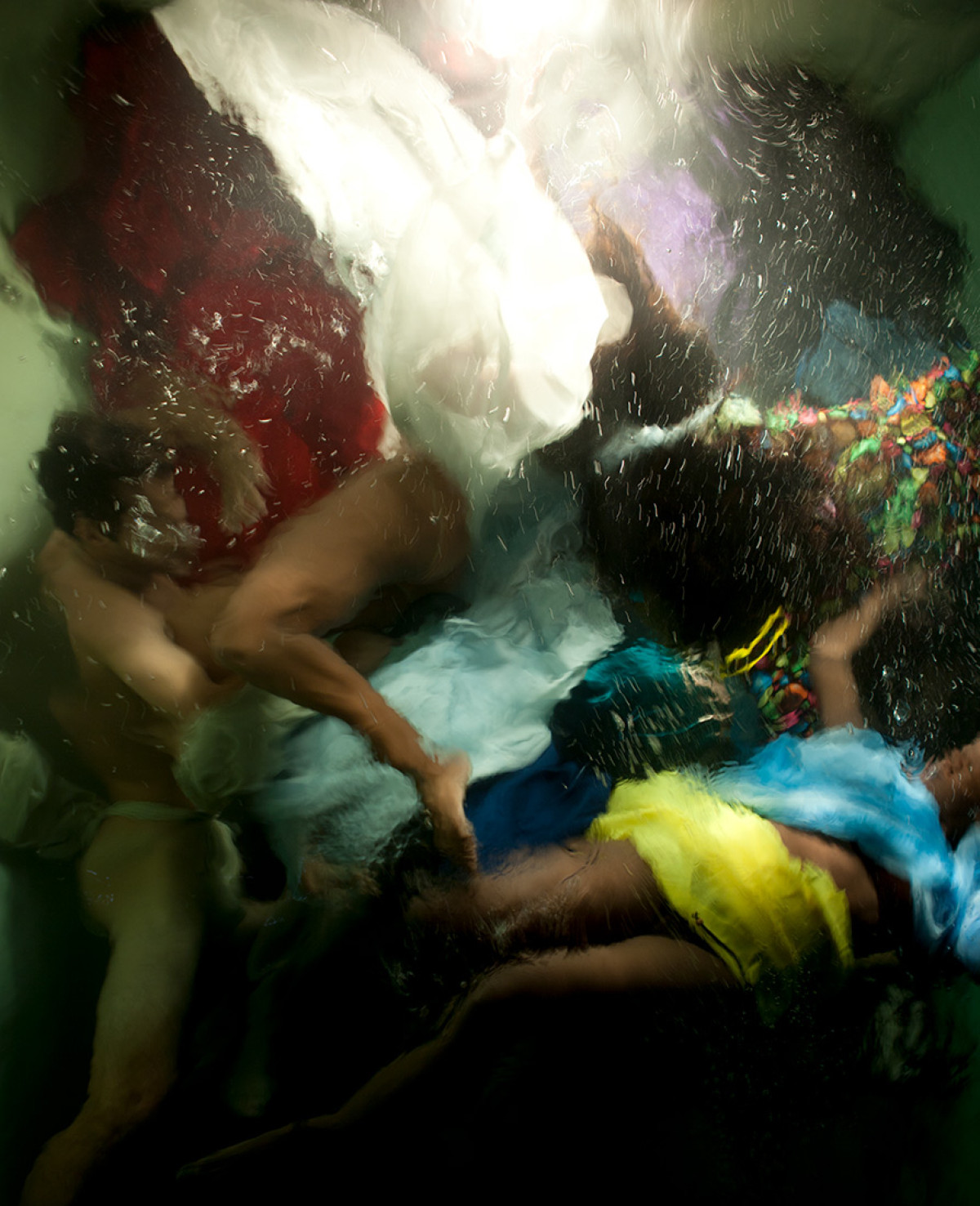
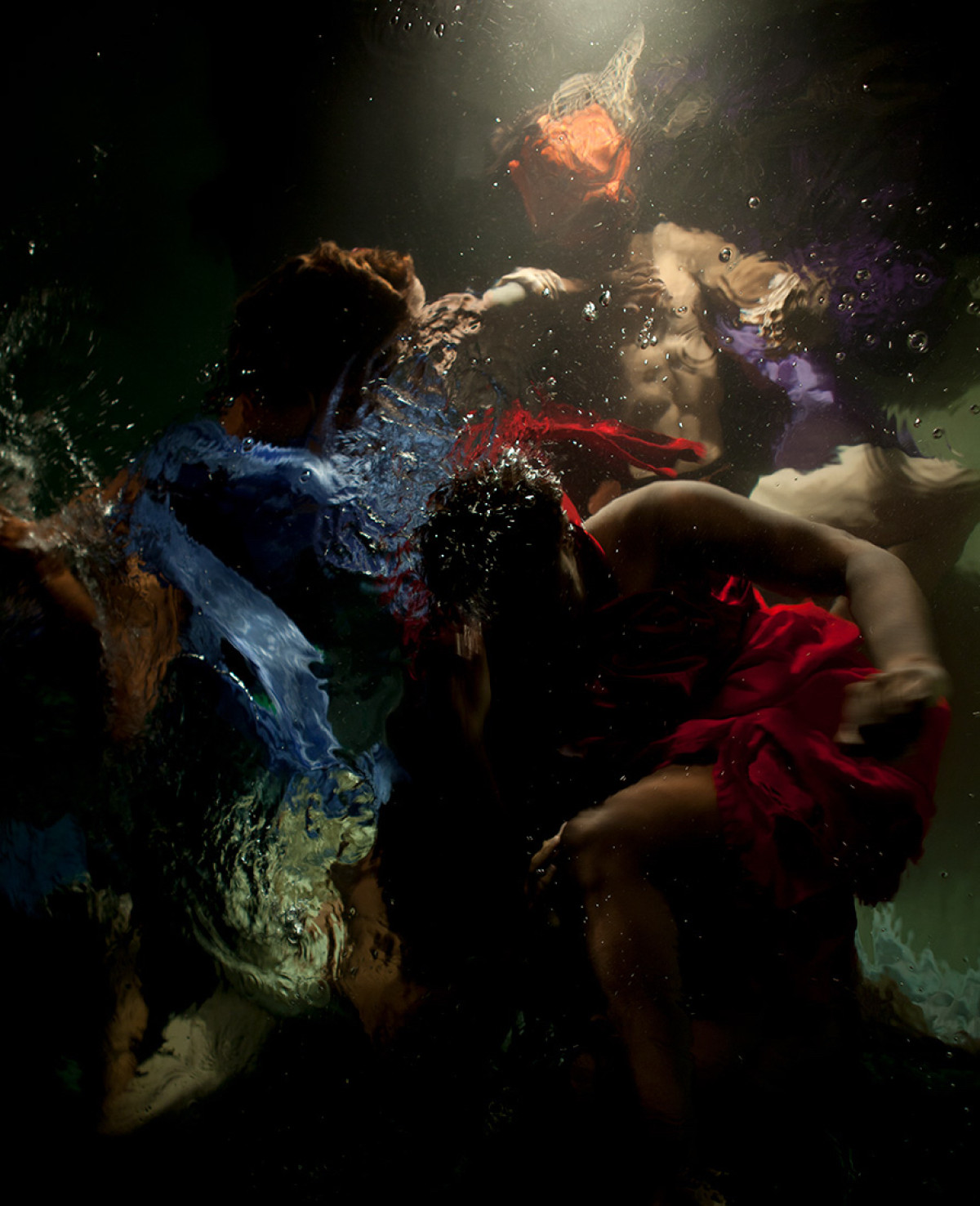
It would have been easy to make a selection of decorative images from Baroque art, but DG wouldn’t be DG if it weren’t constantly trying to innovate. So art director Fred Münzmaier instead started looking for a contemporary version of Baroque forms of expression. He found it in the underwater photography of US-American artist Christy Lee Rogers.
Floating compositions, vibrant colours and weightless poses combine in her works to create a highly individual visual language – many of her images are indeed reminiscent of the depictions of the heavens found in Baroque ceiling paintings.
When Münzmaier suggested to product manager David Butchart that they use some of Rogers’ images, the latter was curious and open to the idea, soon deciding to embrace it. They’d found what they’d instinctively been looking for: Baroque with a twist.
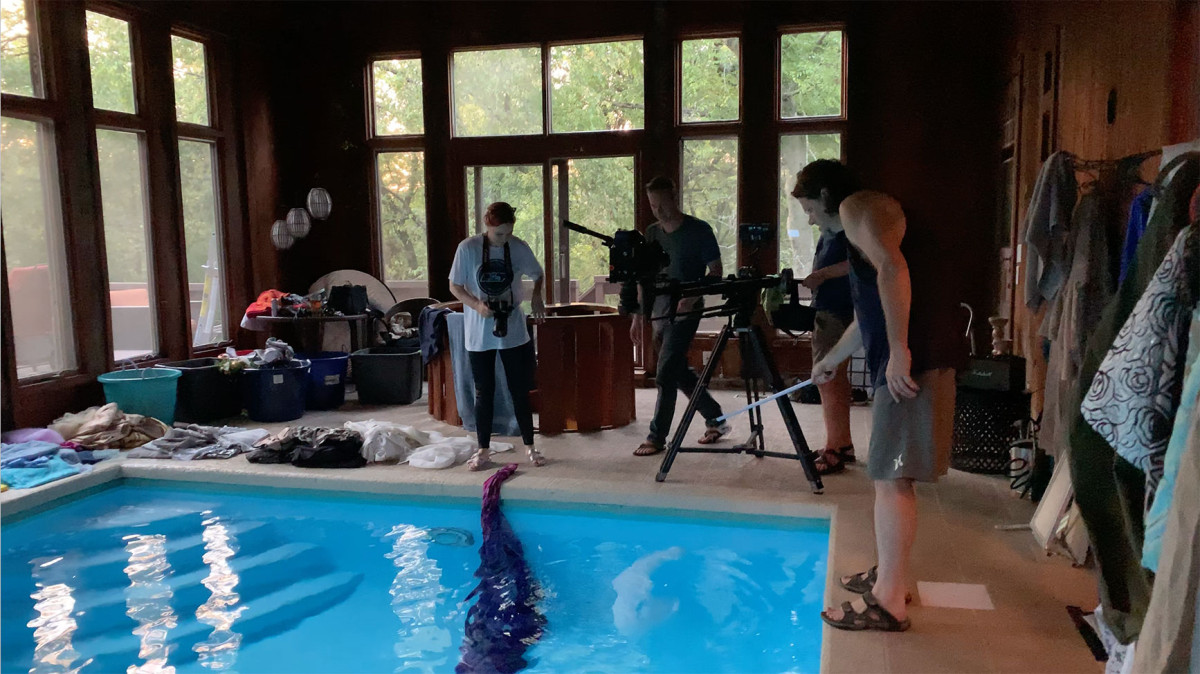
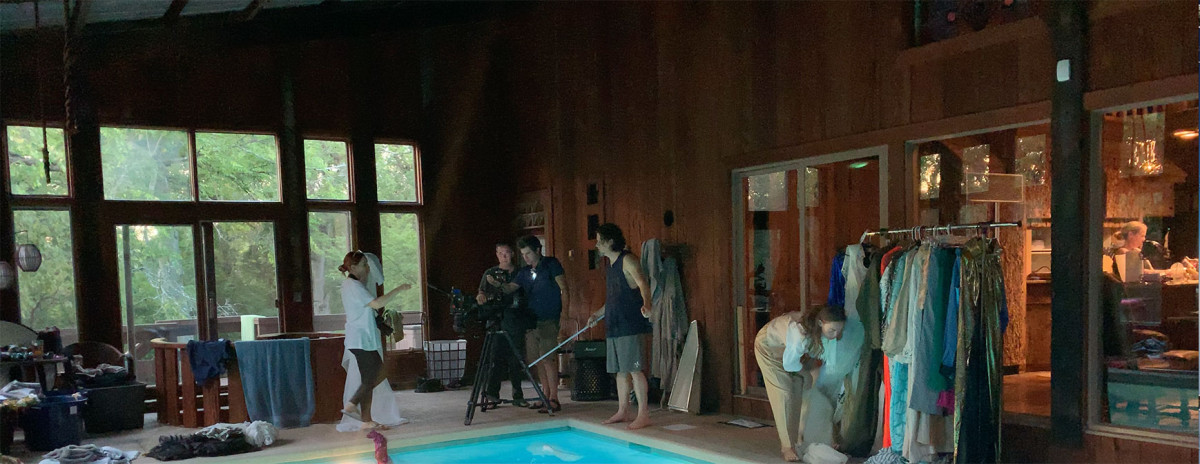
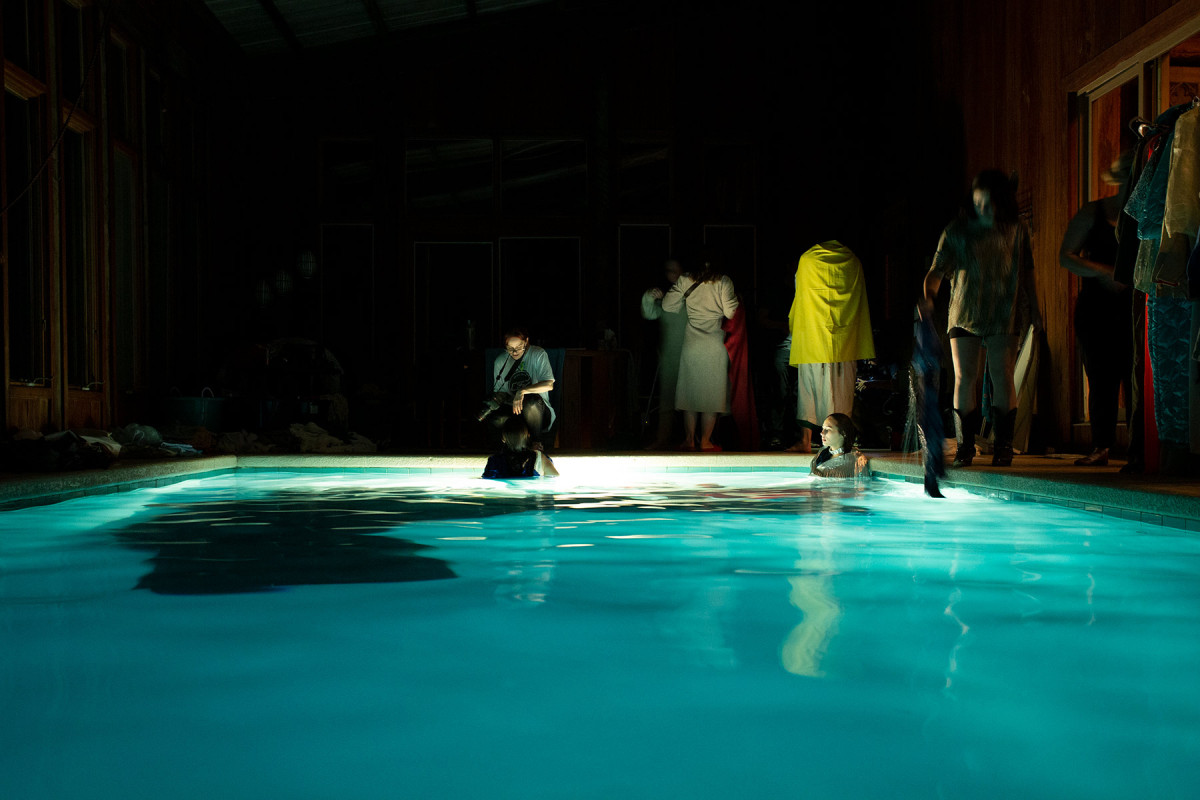
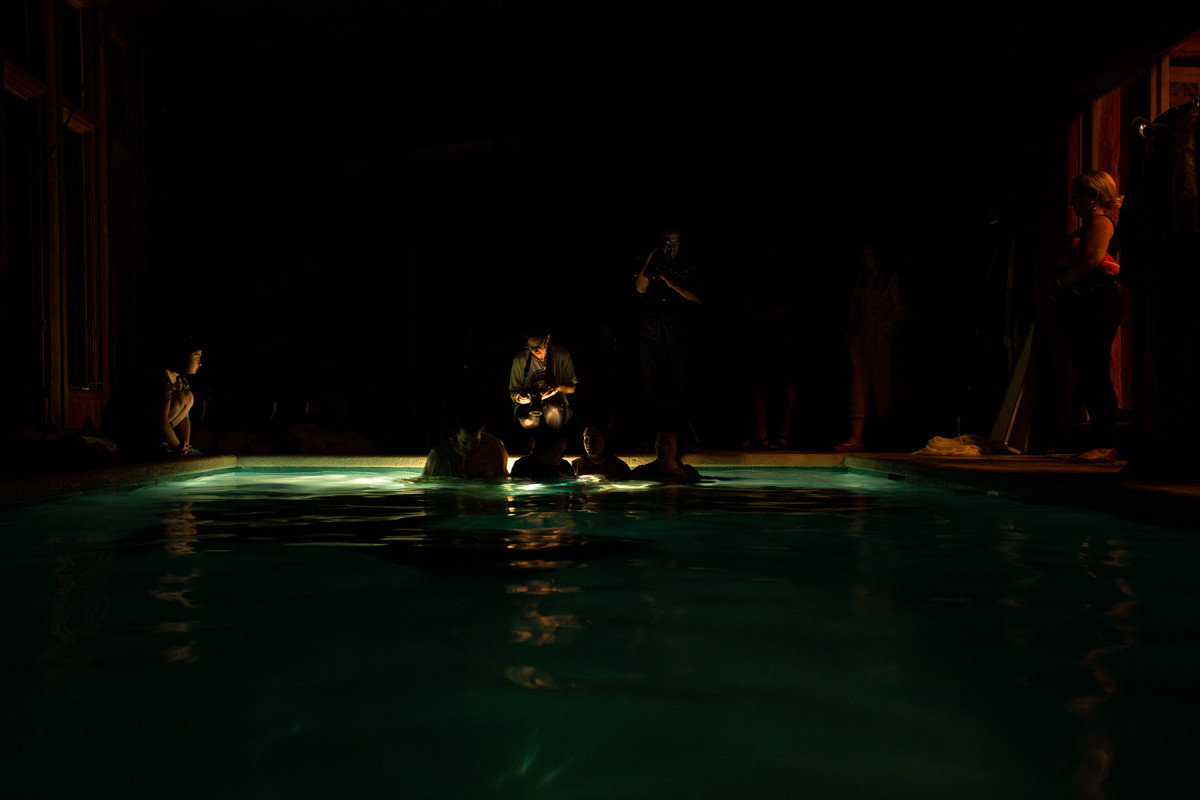
Christy Lee Rogers, a photographer who specialises in underwater scenes, was born in Kailua in Hawaii and now lives in Nashville, Tennessee. She has extended the scope of contemporary photography by using water as an active element in the creation of her images. Her models are loosely draped in flowing garments that billow out or hug the body, as the water dictates. The subtlety of the lighting effects is achieved by shooting the images at night using powerful searchlights to selectively illuminate different aspects of her underwater scenes, leading to strong contrasts between light and dark. These behind-the-scenes photos show the kind of experimental setup that allows chance to play a leading role in her art:
Rogers describes working in this way as follows: “It can be dangerous at times because the water is unforgiving; it seeps in the nostrils, it’s cold and has a life of its own. You move where it wants you to move, and the fabrics dance at their own pace. For the models, being under water shuts off the excessive thought process that we all have going on in our heads, which is wonderful because it allows them to really be themselves completely.”
Using her delicate, experimental process, Rogers constructs elaborate scenes comprising fused colours and entwined bodies. In view of the fluidity that is such a literal part of her images, it is hardly surprising that her works have been compared to the paintings of Baroque artists such as Rubens, Caravaggio and Tiepolo.
Finally, we should also mention the design of the booklet that accompanied the recordings, it too inspired by the Baroque period. This time, Fred Münzmaier swung into artistic action himself, painting composer portraits and other charming vignettes with free brushstrokes.
You can catch a glimpse of the Art Director at work here:
This DG Cover Story is dedicated to the memory of David Butchart (1952–2023), who worked for Deutsche Grammophon for many years and project-managed this Baroque collection. Our colleague David joined DG as an English-language editor and Early Music specialist in 1986. He went on to become a product manager in 1997 and by the time of his retirement in 2016 had become Catalogue Manager. During his years at DG, David was responsible for a range of successful projects and concepts, including the Centenary Collection, marking 100 years of the label, and the suite of DG111 products, as well as the popular Original Masters and Collectors Edition series.
A former colleague once said of David’s approach to his projects, “He basically works like a museum curator” – in other words, with great intelligence and an eye for detail, always carrying out in-depth research. The All-Baroque Box is the perfect example of the exceptional abilities of this softly-spoken, invariably modest man. David, we miss you, and we’ll never forget you or your contribution to the history of Deutsche Grammophon.